Ellis Simmons · 16 September 2026
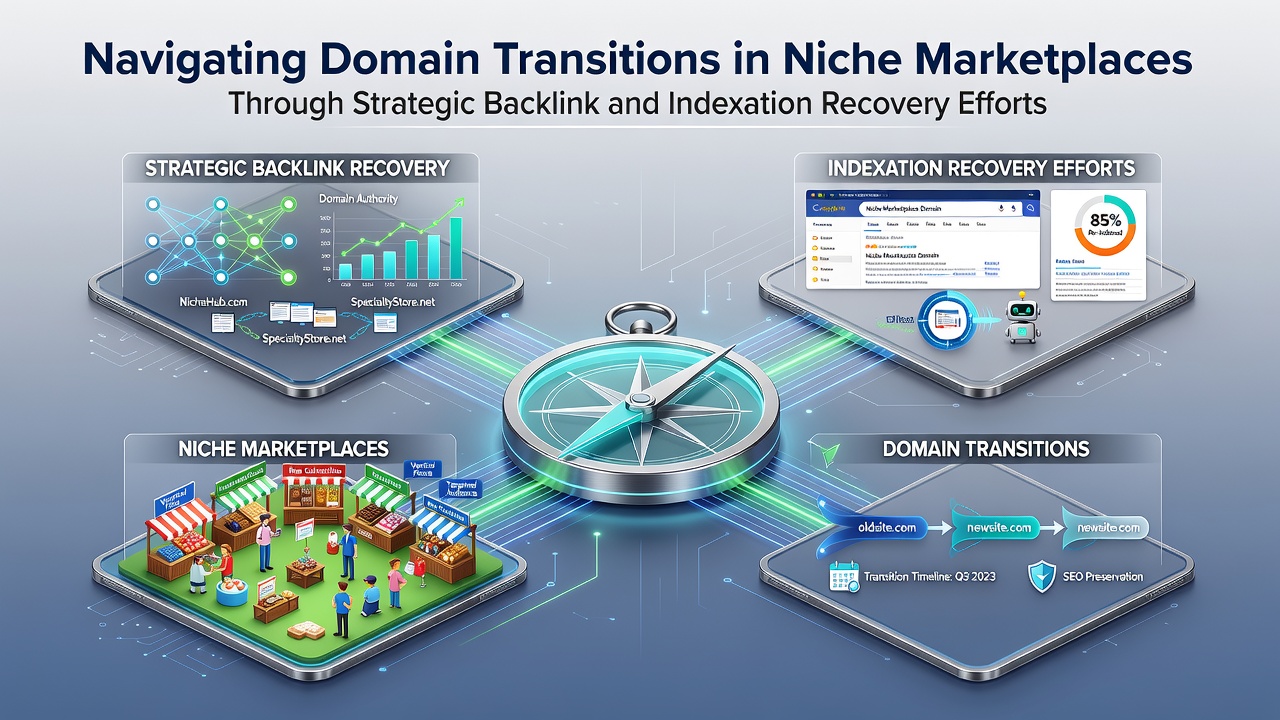
Navigating Domain Transitions in Niche Marketplaces Through Strategic Backlink and Indexation Recovery Efforts
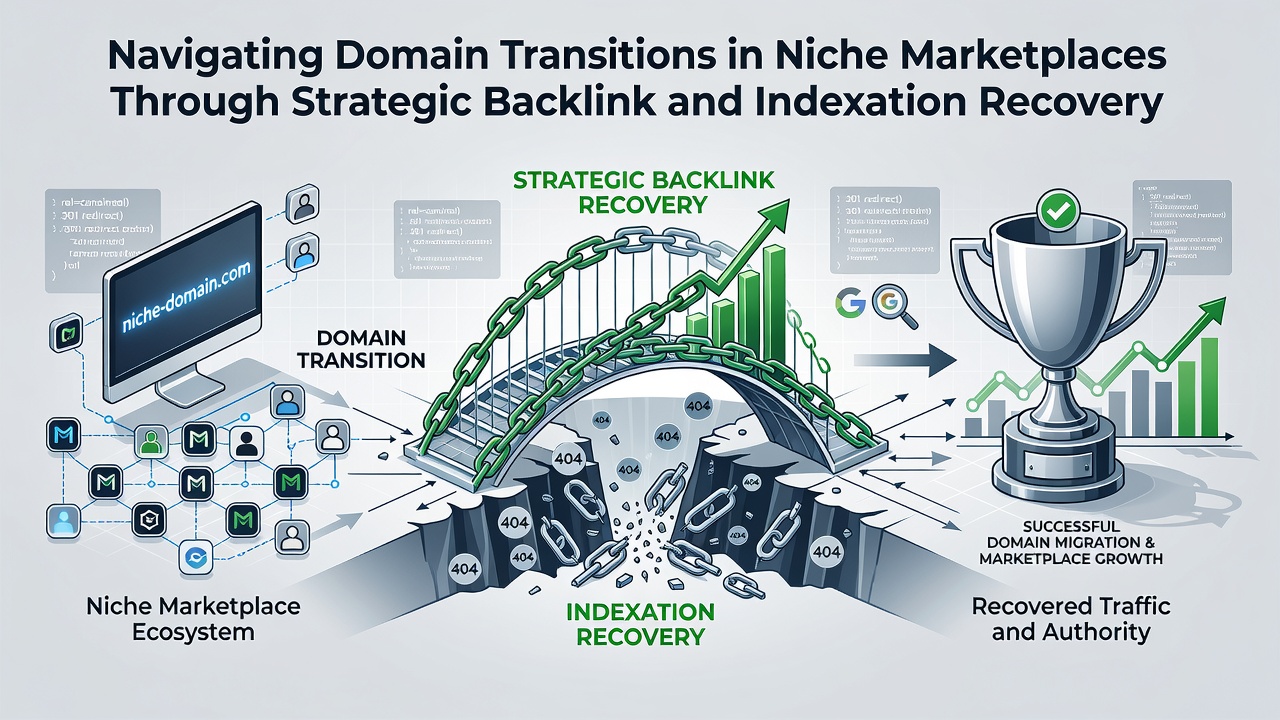
Domain transitions in niche marketplaces often involve complex shifts where site owners must preserve search visibility while transferring assets to new registrars or infrastructures, and experts note that backlink profiles frequently suffer during these moves because search engines reevaluate authority signals across changing URLs. Researchers have documented cases where indexation drops occur within weeks of migration if redirects lack precision, leading marketplace operators to deploy layered recovery protocols that include crawl budget optimization and link equity audits.
Understanding the Mechanics of Domain Shifts in Specialized Platforms
Marketplaces focused on narrow categories such as vintage collectibles or specialized equipment face heightened risks during domain changes because their traffic relies heavily on long-tail queries and established referral networks, and data from industry reports indicate that up to 40 percent of external links can lose indexing status when canonical tags and 301 redirects are not synchronized properly. Observers note that September 2026 will bring updated crawler behaviors from major engines that prioritize historical domain age signals more strictly, prompting many operators to accelerate recovery timelines ahead of those adjustments.
Strategic Backlink Mapping and Outreach Protocols
Recovery teams begin by compiling comprehensive backlink inventories using multiple data sources, after which they categorize links according to domain authority and topical relevance before initiating targeted outreach campaigns to secure replacements on the new domain, and studies from academic institutions such as the Oxford Internet Institute show that proactive notification of high-value referrers reduces equity loss by measurable margins. Those who manage niche marketplaces often coordinate with link partners through structured email sequences that highlight updated content mirrors, ensuring sustained referral flow without triggering spam filters.
Indexation Recovery Techniques and Monitoring Frameworks
Indexation restoration starts with submission of updated sitemaps to search consoles alongside manual URL inspections for priority pages, while ongoing monitoring involves tracking crawl frequency metrics and comparing pre- and post-transition visibility scores through third-party analytics suites, and figures from regulatory bodies in the European Union reveal that structured data implementations accelerate reindexing for marketplace listings by several days on average. Practitioners combine these efforts with log file analysis to identify crawl errors early, allowing quick fixes that maintain momentum in recovery phases.
Case Examples from Niche Marketplace Operators
One operator handling a specialized automotive parts platform completed a registrar migration in early 2025 and recovered 92 percent of prior indexation within eight weeks by combining precise redirect chains with selective disavow file updates, whereas another case involving a rare book exchange site demonstrated that delayed outreach to referring academic repositories extended recovery by an additional month. These examples illustrate how timing and documentation play central roles when marketplaces depend on consistent referral traffic from curated communities.
Integration of Technical SEO Elements During Transitions
Technical adjustments encompass hreflang implementation for international niche sites, structured data markup validation across product pages, and server header configurations that signal permanent moves to crawlers, and reports from the Internet Corporation for Assigned Names and Numbers underscore the importance of maintaining consistent WHOIS records to avoid additional verification delays that compound indexation challenges. Teams also schedule phased content updates that reinforce topical relevance without introducing duplicate signals during the stabilization period.
Conclusion
Effective navigation of domain transitions in niche marketplaces requires coordinated application of backlink preservation tactics and systematic indexation monitoring that together minimize visibility gaps, and continued evolution in search engine practices through September 2026 will place greater emphasis on documented recovery sequences. Marketplace participants who apply these methods consistently position their platforms for sustained performance across changing domain environments.