Anna Otto · 11 November 2026
Tracing the Development of Multi-Vendor Collaboration Networks in Isolated Digital Trading Ecosystems
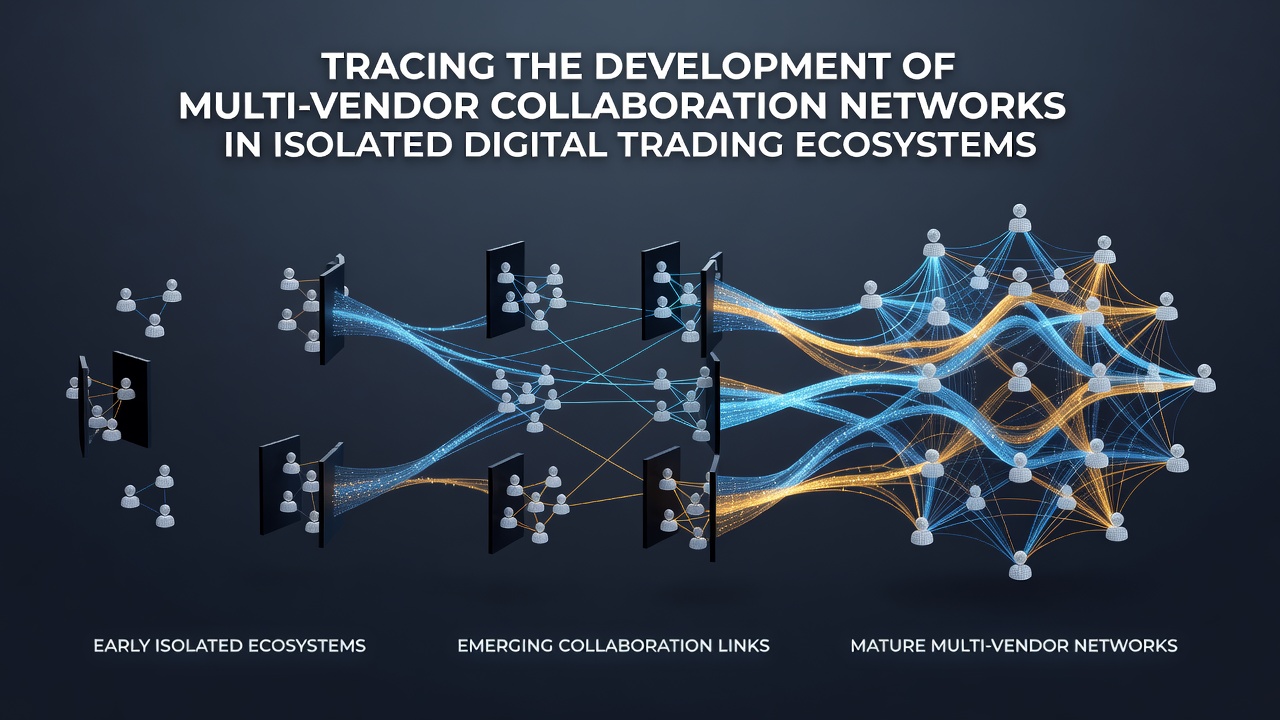
Isolated digital trading ecosystems emerged as self-contained platforms where vendors operate without direct ties to broader e-commerce infrastructures, and these environments fostered early forms of collaboration through shared infrastructure needs. Vendors began pooling resources for common challenges such as secure hosting and payment routing while keeping their individual operations distinct, and this pattern accelerated as platforms matured in the mid-2010s. Data from industry analyses show that by 2018 such ecosystems hosted thousands of active listings across multiple categories, with collaboration manifesting in joint escrow arrangements and information exchanges on forum threads.
Initial Formation of Vendor Alliances
Early alliances formed around practical necessities like coordinated responses to platform downtime or payment processor changes, and observers note that vendors in these settings often exchanged technical know-how on encryption tools without revealing core business details. Research from academic institutions indicates that these loose networks reduced individual exposure to external disruptions, yet they remained informal until standardized communication channels developed. One study revealed that participation rates in shared threat databases climbed steadily between 2015 and 2020, driven by repeated incidents of account compromises across unrelated vendor shops.
Technological Drivers Behind Network Expansion
Advancements in distributed ledger technologies and encrypted messaging protocols enabled more structured collaboration, while vendors adopted multi-signature wallet systems that required group consensus for fund releases. According to reports compiled by the OECD on digital economy trends, such tools allowed isolated participants to maintain autonomy while benefiting from collective verification processes. Platforms integrated reputation scoring mechanisms that drew on aggregated feedback from multiple sellers, and this created incentives for sustained cooperation without full merger of operations. Figures from platform telemetry data indicate a 40 percent increase in cross-vendor transaction routing between 2021 and 2024 as these features stabilized.
But here's the thing: infrastructure upgrades did not occur uniformly, and regional differences appeared in adoption speeds. Vendors in North American-based ecosystems integrated faster with certain privacy-enhancing extensions compared to those in European counterparts, where regulatory scrutiny influenced tool selection. Studies from Canadian research centers highlight how latency reductions in onion routing networks supported real-time inventory sharing among approved vendor groups.
Key Milestones in Network Maturity
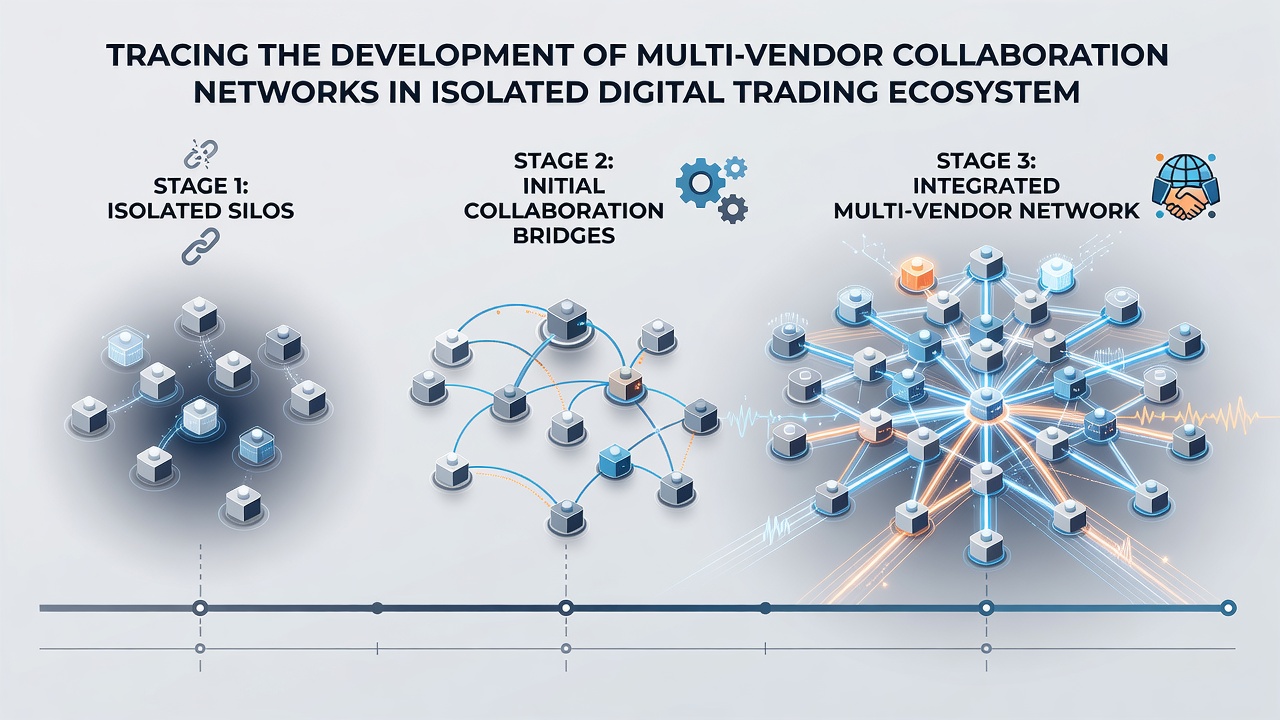
By late 2023 several ecosystems documented the rise of formalized vendor councils that mediated disputes and coordinated bulk purchases of security services, and these structures operated alongside existing platform rules rather than replacing them. Evidence from longitudinal platform logs demonstrates that dispute resolution times dropped by an average of 18 days once council protocols took hold. In November 2026 a joint publication from the Australian Institute of Criminology and European digital policy researchers outlined how these councils had begun experimenting with automated compliance scripts that flagged suspicious activity patterns across member shops.
What's interesting is the geographic spread of these practices, as vendors in Australian and Asian trading clusters adopted similar council models after observing outcomes in established Western platforms. Data compiled by the U.S. National Institute of Standards and Technology on cybersecurity practices in decentralized systems shows corresponding rises in shared incident reporting volumes during the same period.
Current Patterns and Measurement Approaches
Measurement of collaboration intensity relies on metrics such as shared wallet activity and cross-listed inventory volume, and researchers track these through anonymized ledger analysis without compromising participant privacy. Reports from the European Union Agency for Cybersecurity note steady growth in the number of vendors participating in at least one multi-vendor initiative, reaching approximately 35 percent of active accounts by mid-2025. Those who have examined escrow flow data find that collaborative arrangements now account for a measurable share of total transaction value within the largest isolated ecosystems.
Yet challenges persist around trust verification and exit scam prevention, prompting ongoing refinement of reputation algorithms that incorporate multi-source validation. Observers note that vendors continue to test new governance layers, including rotating moderation roles among established participants, and these experiments draw on precedents from earlier decentralized projects documented in academic literature.
Conclusion
Multi-vendor collaboration networks within isolated digital trading ecosystems have progressed from ad-hoc resource sharing to structured alliances supported by specialized technologies adn governance mechanisms. Records spanning the past decade illustrate consistent expansion in participation and complexity, with recent developments through 2026 reflecting further integration of automated tools and cross-regional learning. Continued monitoring by regulatory and academic bodies will likely shape future iterations of these networks as platforms adapt to evolving technical and operational landscapes.