Viktor Otto · 28 October 2026
Tracking the Evolution of Trust Signals in Buyer-Seller Interactions Within Remote Digital Marketplaces
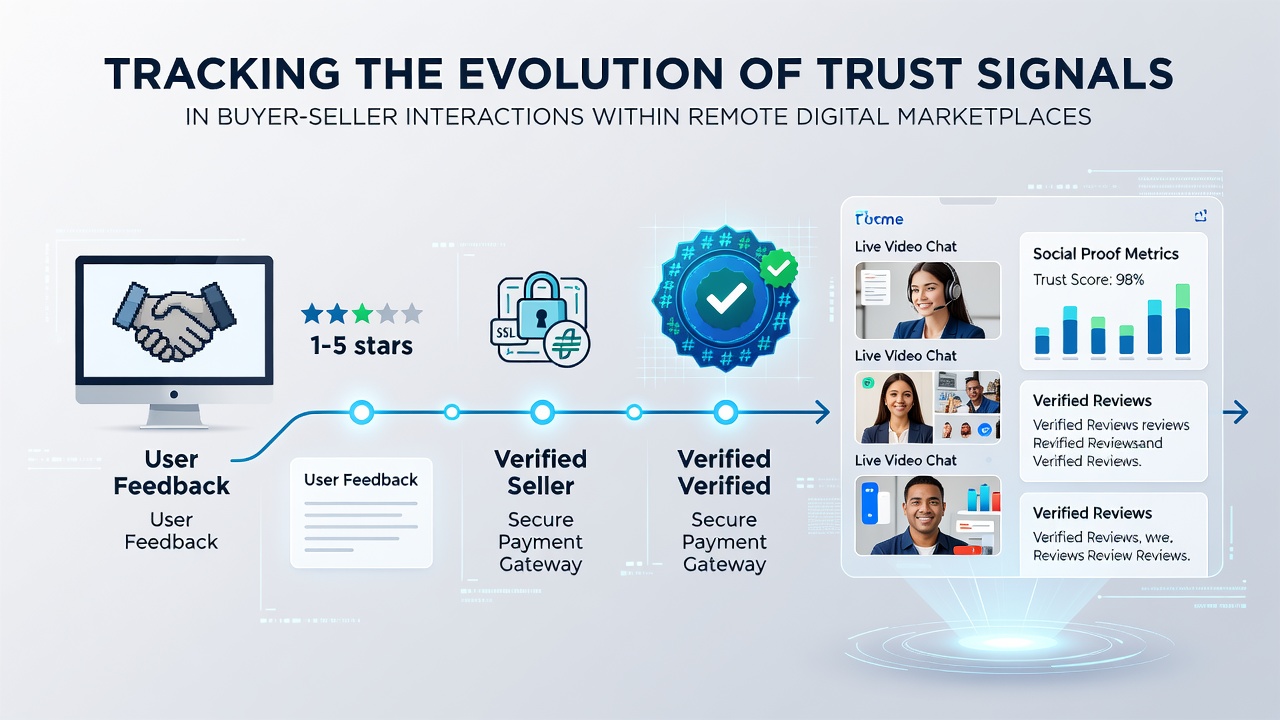
Remote digital marketplaces have developed layered systems that communicate reliability between parties who never meet in person, and observers note these mechanisms have shifted from basic feedback loops in the 1990s to multi-factor verification protocols by October 2026. Early platforms relied on simple rating scales where buyers left comments after transactions, yet data from that period shows participants often questioned the authenticity of those entries because anyone could create multiple accounts. Researchers at academic institutions tracked how those initial signals evolved once platforms introduced verified purchase badges and photo uploads that tied reviews to actual orders.
From Basic Ratings to Verified Credentials
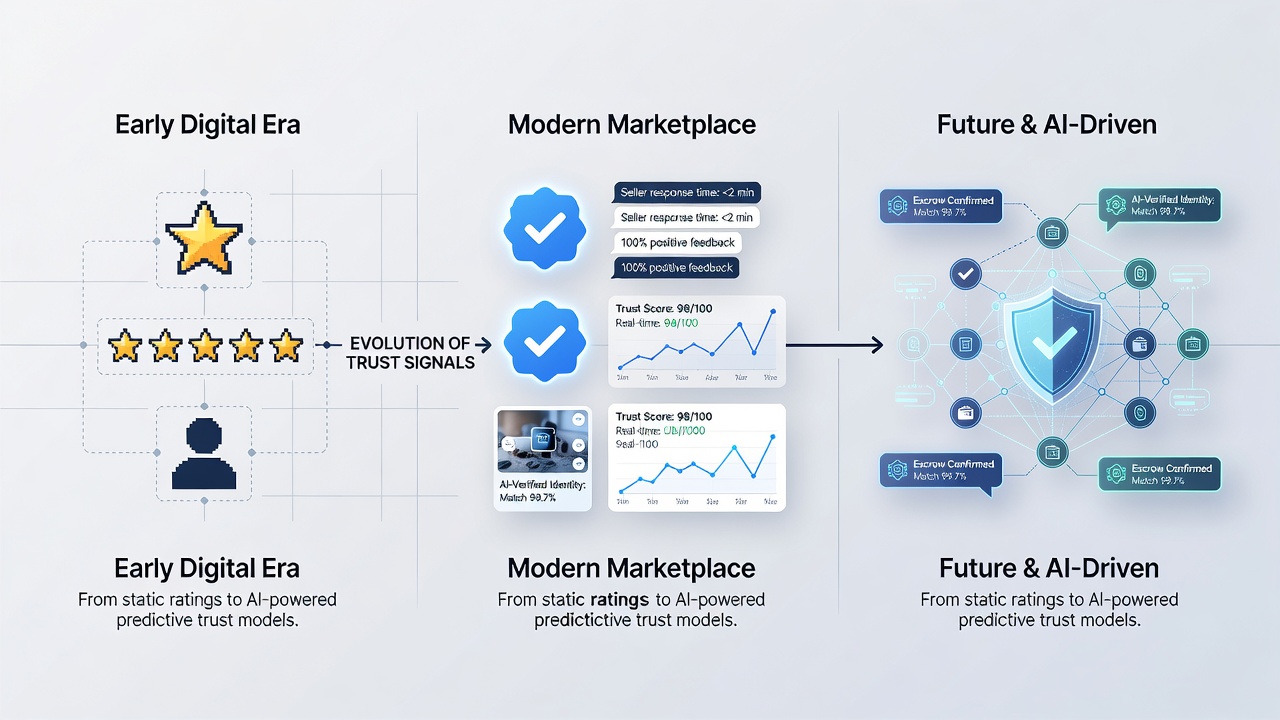
Marketplaces in the early 2000s expanded trust indicators by adding escrow accounts that held funds until buyers confirmed receipt, and this approach reduced disputes according to transaction logs analyzed by industry groups. Sellers began displaying cumulative sales volumes alongside star ratings, while buyers gained access to seller response histories that revealed patterns in communication speed and issue resolution. Figures from European Commission reports on digital single market initiatives indicate that platforms adopting these combined signals experienced measurable increases in completed cross-border transactions during the following decade. Those who studied the changes observed that third-party authentication services, such as identity checks through government-issued documents, started appearing around 2015 and gained wider adoption once regulatory frameworks in various regions required stronger seller disclosures.
Integration of Algorithmic and Blockchain Elements
By the late 2010s algorithmic moderation began scanning review text for authenticity markers, flagging repetitive phrasing or sudden rating clusters that suggested coordinated activity. Platforms incorporated blockchain-based transaction ledgers in select categories, allowing participants to view immutable records of ownership transfers without relying solely on the marketplace operator. A report released by the Australian Competition and Consumer Commission highlights how these distributed verification methods complemented existing rating systems rather than replacing them outright. Data compiled through October 2026 reveals continued experimentation with real-time reputation scores that adjust dynamically based on recent activity metrics, dispute outcomes, and response consistency across multiple platforms.
Current Practices and Regional Variations
North American platforms tend to emphasize insurance-backed guarantees alongside visual trust seals from security auditors, whereas marketplaces operating under European data protection standards integrate consent-based profile transparency tools that let users control what information appears publicly. Canadian regulatory updates from 2024 onward required clearer disclosure of paid endorsements within review sections, and similar rules have appeared in other jurisdictions. Observers note that sellers who maintain consistent performance across these varied signals often secure higher placement in search results, which in turn generates more visible transaction data for future buyers to evaluate. Academic papers examining platform archives demonstrate that multi-signal environments correlate with lower return rates compared with marketplaces that rely on ratings alone.
Payment processor integrations now contribute additional trust layers through instant verification of funds availability and automatic chargeback tracking. Industry associations in the technology sector have documented how these backend processes surface as buyer-facing indicators such as secure checkout badges and delivery timeline guarantees. Those who've examined longitudinal datasets find that platforms updating their trust architectures during major interface changes frequently retain user engagement levels when the new signals align with previous verification methods rather than introducing entirely unfamiliar ones.
Future Trajectories Based on Available Evidence
Evidence collected through October 2026 points toward continued layering of biometric confirmation options and AI-assisted pattern recognition that cross-references activity across linked accounts. Government agencies in multiple regions continue issuing guidance on minimum disclosure standards for marketplace operators, and these directives shape the design of visible trust elements. Research institutions tracking user behavior report that participants respond more readily to signals that combine quantitative metrics with qualitative context, such as threaded dispute summaries rather than isolated star counts. The patterns suggest ongoing refinement rather than wholesale replacement of established verification practices.
Conclusion
Trust signals in remote digital marketplaces have progressed through distinct phases driven by technological capability, regulatory requirements, and observed transaction outcomes. Each stage built upon prior mechanisms, adding verification depth while preserving core elements that users already recognized. Documentation from regulatory bodies and research organizations shows measurable effects on transaction volumes and dispute frequency as these systems matured, and October 2026 data continues to reflect incremental adjustments rather than abrupt shifts. The trajectory remains tied to the availability of verifiable information that both parties can access before committing to an exchange.