Anna Otto · 14 October 2026
Uncovering Vendor Adaptation Strategies During Payment Processor Shifts in Specialized Online Trading Environments
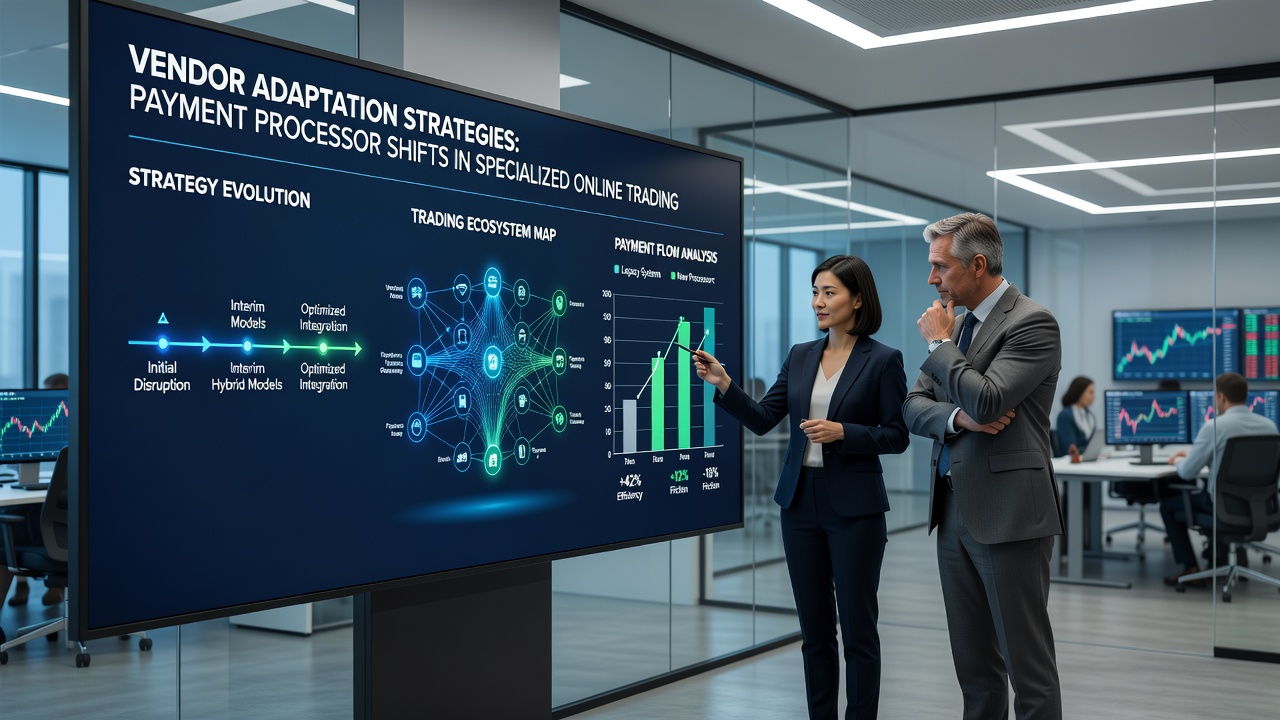
Vendors operating in specialized online trading environments face frequent adjustments when payment processors update their terms or exit certain markets entirely, and these changes often require rapid responses to maintain transaction flows. Data from industry monitoring groups shows that such shifts occurred multiple times between 2024 and 2026, prompting traders to explore alternative routing methods while preserving operational continuity. In October 2026 observers noted increased activity around processor migrations in niche sectors, where platforms handling digital assets and collectibles adapted by layering new verification layers onto existing setups.
Understanding the Context of Processor Changes
Payment processors periodically revise their risk assessments for high-volume or specialized trading sites, which leads to account terminations or fee restructurings that affect vendors directly. Research from the Bank for International Settlements indicates that electronic payment networks adjusted policies across multiple regions during this period, creating ripple effects in marketplaces that rely on consistent processing speeds. Those who track these environments report that vendors respond by testing several processors simultaneously rather than depending on a single provider, a pattern documented in transaction logs from various platforms.
Key Adaptation Approaches Observed
One common strategy involves migrating to processors with more flexible compliance frameworks, while another centers on integrating cryptocurrency gateways that bypass traditional banking rails. Studies compiled by academic researchers at European institutions reveal that vendors in digital trading spaces often combine both approaches, using stablecoin settlements for larger transfers and fiat processors for smaller ones. This hybrid model reduces exposure to single-point failures, according to aggregated data from platform analytics shared at industry forums. Vendors also employ escrow mechanisms tied to multiple providers, which allows them to reroute funds quickly when one service imposes new restrictions.
Technical and Operational Adjustments
Implementation of automated routing software appears frequently in vendor toolkits, enabling real-time switching based on processor availability and cost metrics. Figures released by the Financial Consumer Agency of Canada highlight how such tools gained traction among traders handling cross-border deals, where currency conversion fees fluctuate with each processor update. In practice, these systems monitor approval rates and latency, then shift volume toward the most stable option at any given moment. Additional layers include enhanced address verification and dynamic pricing adjustments that absorb processor fee changes without disrupting buyer experiences.

Platform operators sometimes provide shared infrastructure that vendors access through subscription models, which spreads the cost of compliance updates across a larger user base. Data collected from these shared services shows reduced downtime during transitions, particularly when multiple vendors coordinate their processor selections in advance. Those managing collectibles marketplaces, for instance, documented smoother handoffs in October 2026 by pre-approving backup processors months ahead of announced policy shifts.
Regional Variations in Vendor Responses
Geographic differences influence which adaptations gain prominence, with vendors in Asia-Pacific regions leaning more heavily on regional digital wallet integrations compared to those in North American markets. Reports from regulatory bodies across these areas demonstrate that local licensing requirements shape processor availability, leading to distinct patterns in how trading environments evolve. European vendors, according to data compiled by the European Commission on payment services, more frequently adopt multi-currency settlement options to handle regulatory diversity within the single market. These variations underscore how global processor networks interact with local rules, prompting tailored responses rather than uniform strategies.
Monitoring and Compliance Measures
Continuous tracking of processor announcements forms a core part of vendor operations, often supported by subscription alerts and community-shared intelligence. Evidence from transaction monitoring firms indicates that early detection of policy changes allows for phased migrations that minimize service interruptions. In specialized trading settings this vigilance extends to reviewing processor terms for clauses affecting high-risk categories, which helps vendors avoid sudden account freezes. Automated compliance checks integrated into trading software further assist by flagging potential conflicts before they impact daily activities.
Conclusion
Vendor adaptation during payment processor shifts in specialized online trading environments relies on diversified routing, technical automation, and proactive monitoring, as evidenced by patterns observed through 2026. These approaches enable sustained operations amid evolving financial infrastructure, with data from international bodies confirming their widespread application across regions. As processor landscapes continue to change, the documented strategies provide a framework for maintaining transaction reliability without reliance on any single provider.